
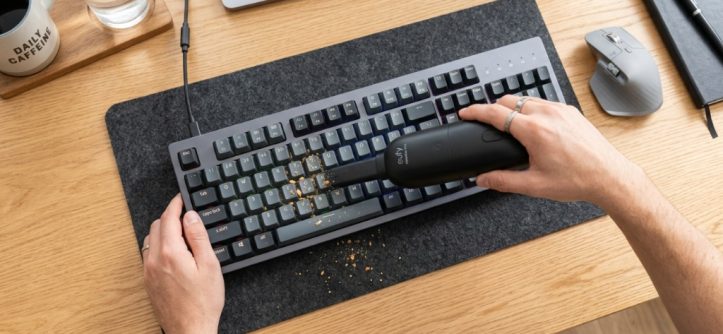
You’ve just settled in for a productive workday in Missouri, but as you glance at your keyboard, you notice the buildup: breadcrumbs from a quick lunch, pet hair from your Golden Retriever, and that mysterious layer of dust that seems to appear overnight. You’ve tried flipping the keyboard upside down and shaking it, but the debris clings stubbornly between the keys. This is where a dedicated cleaning tool becomes essential. For Missouri residents dealing with everything from humidity-driven dust to seasonal pollen, understanding how to use mini vacuums keyboard cleaning MO techniques can transform your workspace hygiene and extend the life of your peripherals.
Whether you’re a remote worker in Kansas City, a student in Columbia, or a gamer in Springfield, keyboard maintenance is non-negotiable. In this comprehensive guide, we’ll walk you through the most effective methods for using mini vacuums, which models perform best in Missouri’s unique climate conditions, and how to avoid common mistakes that could damage your equipment. By the end, you’ll have a foolproof cleaning routine that takes less than fifteen minutes and keeps your keyboard looking and functioning like new.
Why Is Regular Keyboard Cleaning Essential for Missouri Residents?
Regular keyboard cleaning is critical because Missouri’s climate—characterized by high humidity in summer and dry indoor heating in winter—creates ideal conditions for dust accumulation, bacterial growth, and even corrosion. Your keyboard harbors more bacteria than a toilet seat, with studies showing up to 20,000 times more microbes per square inch. In Missouri’s varying seasons, pollen in spring and agricultural dust from nearby farms can clog switches and degrade performance quickly. A mini vacuum not only removes visible debris but also protects the delicate membrane layers beneath the keys, ensuring consistent keystroke registration and preventing costly repairs.
The Hidden Dangers of a Dirty Keyboard
Beyond the ick factor, a dirty keyboard in Missouri’s climate poses real threats. High humidity accelerates the corrosion of metal contacts, while dry winter air increases static electricity, attracting more dust. Debris trapped under keys can cause sticky switches, missed keystrokes, and even complete key failure. For professionals in Missouri’s growing tech hubs, this means lost productivity and potential data entry errors. Additionally, allergens like ragweed pollen common in the Show-Me State embed themselves in crevices, triggering allergy symptoms while you work.
How Often Should You Clean Your Keyboard in Missouri?
For most Missouri users, a weekly mini-vacuum session is optimal, but your routine may vary. If you live in rural areas where agricultural dust is prevalent, consider cleaning every three to four days. During winter months when indoor heating circulates more dry particles, increase frequency. Conversely, if you use a laptop in mostly clean environments like a modern St. Louis office, bi-weekly cleaning might suffice. The key is listening to your keyboard: if you feel resistance in key travel or see visible debris, it’s time for maintenance. Establishing a consistent schedule prevents buildup that becomes increasingly difficult to remove.
What Features Should You Look for in a Mini Vacuum for Keyboard Cleaning?
When selecting a mini vacuum for keyboard care in Missouri, prioritize adjustable suction power, HEPA filtration, and a tool with precision nozzles. The ideal device balances portability with performance—too weak won’t remove embedded dust, too strong can dislodge keycaps. Battery life matters for cordless convenience, especially if you clean multiple devices. Look for models with at least 5,000 Pa of suction pressure, which effectively lifts debris without damaging switches. In Missouri’s humid climate, moisture-resistant components and easy-to-clean dust chambers add significant value,If your computer freezes up while you are tidying up your desk, you can quickly access shut down menu using a keyboard shortcut to save time.
Portable vs. Corded: Which Suits Missouri Lifestyles?
Portable mini vacuums offer unmatched convenience for Missouri professionals who work across coffee shops, libraries, and home offices. Their rechargeable batteries provide 20-30 minutes of use, perfect for thorough cleaning sessions. However, if you primarily clean at a fixed desk with nearby outlets, corded models deliver consistent power without battery anxiety. For Missouri residents, portability often wins because summers bring outdoor work opportunities—think cleaning your keyboard at a park bench or in your vehicle. Models with USB-C charging integrate seamlessly with modern tech setups.
Filter Systems: Why HEPA Matters for Missouri Allergy Sufferers
Missouri ranks in the top 15 states for pollen counts, making HEPA filtration a non-negotiable feature for allergy-prone users. Standard mini vacuums recirculate fine particles back into the air, worsening indoor allergy symptoms. HEPA-rated filters trap 99.97% of particles sized 0.3 microns, including mold spores from humid summer conditions and dust mite debris. When comparing models, check whether the filter is washable or replaceable—washable HEPA filters save money but require thorough drying to prevent mold growth in Missouri’s humid environment.
How Do You Properly Use a Mini Vacuum on Different Keyboard Types?
Proper mini vacuum technique varies depending on your keyboard style. For mechanical keyboards with raised keycaps, angle the vacuum nozzle at 45 degrees and work in sweeping motions along the rows. Membrane keyboards require gentler pressure to avoid pressing keys simultaneously. Laptop keyboards need lower suction to protect delicate hinges. Begin from the top row and work downward, holding the vacuum so the nozzle hovers just above the keycaps. Tilt the keyboard slightly during cleaning to help gravity assist dislodged particles fall toward the vacuum opening.
Step-by-Step Guide for Mechanical Keyboards
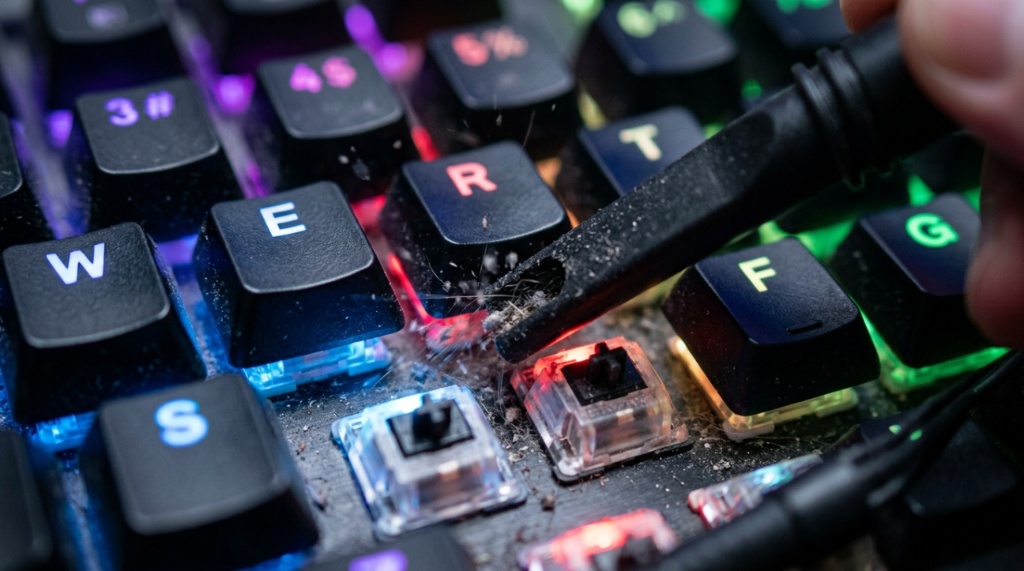
Mechanical keyboards demand a systematic approach. First, disconnect the keyboard and hold it upside down over a trash can to remove loose debris. Next, attach the brush nozzle to your mini vacuum and gently work it between keycaps in a circular motion. For stubborn particles, increase suction briefly. Pay special attention to the spaces between number rows and function keys where crumbs settle. After vacuuming, use compressed air for any remaining particles, but let the keys settle before pressing them to avoid sending debris deeper into the switch housing.
Best Practices for Laptop Keyboards in Missouri
Laptop keyboards require extra caution due to shallow key travel and integrated components. Always turn off and unplug your laptop before cleaning. Use the narrowest nozzle attachment and lowest suction setting to prevent lifting key caps. Vacuum at an angle rather than directly downward, which can press keys and leave particles in the switch mechanism. In Missouri’s humid months, check for condensation around the vacuum nozzle before contacting your laptop. Consider cleaning your laptop keyboard more frequently since heat generated by the device attracts particles efficiently.
Can Mini Vacuums Damage Keyboard Components?
Mini vacuums can damage keyboards if misused, but proper technique makes them completely safe. Excessive suction on keycaps can remove them, especially on laptops where keys are more fragile. Static electricity from rapid airflow can theoretically affect sensitive circuits, though modern devices are largely immune. In Missouri’s dry winter air, static build-up increases, so ground yourself before cleaning and choose anti-static vacuums. The greatest risk isn’t vacuum-induced damage but incomplete cleaning that pushes debris deeper into the keyboard structure. Use brushes in conjunction with vacuuming to break loose persistent particles without pressure damage.
Common Mistakes to Avoid During Cleaning
Even well-intentioned cleaning can backfire if you neglect key principles. Avoid vacuuming while keyboards are powered on, which risks accidental input and static discharge. Refrain from using maximum suction on laptop keyboards where key retention is weaker. Don’t angle the vacuum perpendicular to keys, which creates strain on their retention clips. Skip household vacuums with metal wands that conduct static electricity. Finally, never insert the vacuum nozzle directly between keys—this impacts the membrane layer. Instead, maintain a hover position and let airflow do the work.
Protecting Keycaps and Switches Long-Term
For Missouri residents who invest in premium mechanical keyboards, protecting keycaps and switches extends product lifespan significantly. After each vacuum session, inspect keycaps for cracks or wear—fluctuating humidity causes plastic expansion and contraction stress. Consider applying a thin layer of dielectric grease to stabilizer bars if they become squeaky. To preserve keycap legends, avoid vacuum nozzles with rough edges that could scrape paint. Remove keycaps entirely for deep cleaning every 6-12 months, using a keycap puller rather than suction force, then vacuum the exposed switch plate thoroughly.
Which Mini Vacuums Are Most Effective for Missouri Users?
The most effective mini vacuums for Missouri users combine robust suction with ergonomic design suited for extended cleaning sessions. Models with 5000-8000 Pa suction handles entrenched dust, while those with 2000-4000 Pa suit lighter maintenance. Battery life of 25-30 minutes covers complete workstation cleaning. For Missouri’s diverse environments, choose IP-rated vacuums that resist humidity damage. The EUFY HomeClean Mini, Black+Decker dustbuster, and Zep professional models consistently receive top marks, but your choice should align with your keyboard type and cleaning frequency. For a comprehensive comparison of the top performers, see our curated list of mini vacuums keyboard cleaning MO solutions.
Top Features to Prioritize for Missouri Homes
Missouri’s varied climate demands specific features in a mini vacuum. Look for washable filters to handle increased pollen loads—replacement filters become costly with frequent use. Consider models with LED lighting to identify debris in shadowed key areas, especially in darker workspaces. Noise level matters if you clean early mornings before family wakes; aim for under 65 decibels. For pet owners, rubber nozzles attract hair effectively, reducing the need for repeated passes. Finally, check warranty terms—Missouri’s humidity can stress electronics, so a two-year warranty offers peace of mind.
Comparing Cordless and Rechargeable Options
Rechargeable mini vacuums dominate the market due to their convenience and advancing battery technology. Modern lithium-ion cells hold charge for months in standby, while USB-C fast charging tops up in under three hours. Weighing between 0.5-1.2 pounds, they’re comfortable for extended use. However, battery replacement costs and eventual degradation (typically 2-3 years) add lifetime expenses. Alternatives with removable battery packs let you swap spares for marathon cleaning sessions. If you clean multiple devices weekly, invest in a model with battery status indicators to avoid mid-session power loss.
When Should You Combine Mini Vacuum With Other Cleaning Tools?
Combine your mini vacuum with complementary tools for a comprehensive cleaning routine, particularly when tackling deep-seated debris that vacuuming alone can’t dislodge. In Missouri’s high-humidity months, mold develops between keycaps, requiring antimicrobial wipes after vacuuming. Compressed air reaches spaces even the narrowest nozzle can’t access. Microfiber cloths remove smudges and finger oils that attract dust. Mechanical keyboard users benefit from silicone cleaning gel that conforms to keycap contours. Rotation these tools with vacuuming every 4-6 weeks maintains peak hygiene without over-stressing components.
Compressed Air vs. Mini Vacuum: Which Is Better?
Compressed air excels at dislodging particles from hard-to-reach areas, but it blows debris to the keyboard edges rather than removing it—your vacuum then collects the displaced dust. In Missouri’s dry winter air, compressed air can create static that attracts more particles. Mini vacuums permanently remove debris but may miss particles stuck by static cling. Most experts recommend a hybrid approach: use compressed air to loosen debris, then vacuum to extract it. This combination proves especially effective for mechanical keyboards with deep switch wells that trap particles.
Cleaning Gels and Slimes: Do They Work in Humid Climates?
Cleaning gels and slimes effectively lift debris from keycap surfaces but behave differently in Missouri’s variable humidity. In high summer humidity, gels may become excessively sticky, leaving residue between keys. During dry winter months, they lose tackiness and require kneading to restore effectiveness. Gels work wonders on laptop keyboards where vacuum suction risks key cap displacement. To use effectively, press the gel gently onto key surfaces, allowing it to conform, then lift slowly to attract debris. Always store gels in airtight containers to maintain moisture consistency between uses.
How Do You Establish a Consistent Cleaning Routine That Sticks?
Establishing a lasting cleaning routine in Missouri requires integrating it into existing habits rather than treating it as a separate chore. Attach keyboard cleaning to daily start-up rituals: while your computer loads in the morning, perform a two-minute vacuum session. Schedule deeper cleanings on the same day as other weekly household maintenance—many Missouri families align cleaning with trash day. Set phone reminders for seasonal transitions, since spring pollen and winter dust require adjusted cleaning frequency. Finally, maintain your cleaning supplies in a visible, accessible location, so the friction to begin cleaning stays minimal.
Creating a Weekly Cleaning Schedule That Works
Design your schedule based on your usage and environment. A practical weekly plan includes: Monday morning quick preventative vacuuming (2 minutes), Wednesday midweek spot-cleaning focusing on gaming or heavily used keys, and Saturday deeper sessions (10-15 minutes) incorporating brush and compressed air. For Missouri’s agricultural areas during harvest season, add a post-outdoor-activity cleaning. Anyone working from home with pets should clean daily, as dander settles continuously. Keep a log for a month to identify patterns—you’ll likely discover specific times when debris accumulates fastest.
Maintaining Your Mini Vacuum for Longevity
Your mini vacuum requires care to maintain suction performance, especially in Missouri’s dusty conditions. Empty the dust chamber after each use, as a full chamber reduces suction up to 40%. Clean the filter weekly for washable types, ensuring it dries completely before reinserting to prevent mold. Inspect nozzles monthly for cracks that compromise suction. Replace batteries per manufacturer recommendations, but proper storage in moderate temperature environments extends lifespan. Following these steps ensures your vacuum remains reliable for years of keyboard maintenance, saving you from frequent replacements.
Are There Keyboard Cleaning Services in Missouri?
Yes, Missouri offers professional keyboard cleaning services in its major metropolitan areas, though service quality varies significantly. In Kansas City and St. Louis, several electronics repair shops offer deep-cleaning services ranging $30-$80 depending on keyboard type and condition. Services typically include keycap removal, ultrasonic cleaning, switch lubrication, and sanitization. For remote workers outside metro areas, mail-in services exist but require care in packaging. Professional services make sense for expensive mechanical keyboards needing switch maintenance or when your keyboard requires disassembly to remove debris causing persistent issues.
When Professional Cleaning Makes Sense
Consider professional cleaning when your DIY efforts fail to resolve sticky keys or visible stubborn residue. Liquid spills that reach circuit boards require specialized disassembly and corrosion treatment that mini vacuums cannot address. If you notice keys registering inconsistently despite regular vacuuming, internal debris may need professional extraction. Missouri’s humidity accelerates corrosion, so prompt professional intervention prevents permanent damage. While professional services cost more than DIY maintenance, they are more affordable than replacement keyboards, particularly for premium mechanical models costing $150-300.
Cost-Benefit Analysis of Professional vs. DIY Cleaning
Crunch the numbers to decide between professional services and DIY maintenance. Your time has value—if thorough cleaning takes 45 minutes and you earn $30/hour, each session costs $22.50. A professional service at $50 may seem costlier but delivers deeper cleaning with specialized equipment. For everyday maintenance, a $30-60 mini vacuum pays for itself within two uses versus professional services. However, quarterly professional deep cleanings extend keyboard lifespan and address issues your own tools can’t. Calculate your keyboard replacement cost to understand the true protective value of professional service.
What Are the Environmental Considerations of Keyboard Cleaning?
Environmentally conscious Missouri residents should consider the sustainability implications of keyboard cleaning. Disposable compressed air cans contain potent greenhouse gases—each can equivalent to driving 25 miles in an average car. Rechargeable electric vacuums reduce this footprint but require responsible battery disposal at facilities like Missouri’s regional hazardous waste collection events. Washable filters eliminate consumable waste. Choose vacuums with repairable designs rather than single-use electronics. When replacing equipment, recycle original devices through manufacturer programs or local e-waste facilities in St. Louis, Kansas City, Springfield, or smaller communities with periodic collection days.
Eco-Friendly Cleaning Alternatives to Vacuums
Consider eco-friendly keyboard cleaning alternatives that complement your mini vacuum. Rechargeable air dusters eliminate compressed gas waste while providing powerful air streams. Natural fiber brushes made from bamboo or horsehair, available at some of Missouri’s eco-conscious retailers, reduce plastic waste. Microfiber cloths wash easily, lowering disposable wipe consumption. Isopropyl alcohol and cream of tartar pastes offer non-toxic cleaning solutions. For Missouri gardeners, certain plant-based degreasers break down naturally after disposal. Combining these tools with your vacuum reduces your cleaning footprint significantly.
Proper Disposal of Cleaning Materials and Old Keyboards
Missouri-specific regulations govern disposal of cleaning materials and old electronics. Batteries from mini vacuums should never enter regular trash—bring them to designated drop-off locations. Most Missouri counties have hazardous waste facilities, and major metro areas host household hazardous waste collection days. Old keyboards are recyclable electronic waste; Staples, Best Buy, and many Missouri municipalities offer programs. Cleaning solutions containing solvents require proper disposal at household hazardous waste events. Check with your local solid waste district for specifics, as regulations vary by county.
Frequently Asked Questions
Can I use any mini vacuum on my mechanical keyboard?
Most mini vacuums work on mechanical keyboards, but choose models with adjustable suction and narrow brush nozzles. Avoid vacuums exceeding 8000 Pa suction that might dislodge keycaps. Test on non-critical keys first to gauge force.
How do I remove pet hair from my keyboard in Missouri?
Pet hair responds best to rubber nozzles that create static to attract hair, or a combination of a brush to dislodge and vacuum to extract. Missouri pet owners should clean keyboards weekly during shedding seasons, as dander accumulates rapidly.
Does humidity in Missouri affect how my cleaning tools work?
Yes, high humidity can reduce compressed air effectiveness and make cleaning gels overly sticky. Store cleaning tools in air-conditioned spaces during summer months. Consider desiccant packs in your cleaning kit storage area.
What is the safest way to clean a keyboard after a liquid spill?
Immediately shut down, unplug, and dry the keyboard upside down for 24-48 hours. Do not vacuum wet keyboards—this can force moisture deeper into electronics. After drying completely, use your mini vacuum to extract dried residue.
Are mini vacuums effective for cleaning laptop keyboards?
Mini vacuums work effectively on laptop keyboards when using lowest suction settings and narrow nozzles. Keep the vacuum angled to avoid pressing keys. For laptops with shallow key travel, consider silicon cleaning alternatives to prevent cap detection.
How can I tell if my keyboard needs professional cleaning?
If keys stick repeatedly after vacuuming, if you see corrosion near keycaps, or if multiple keys fail despite cleaning, professional service is warranted. In Missouri’s humid climate, internal corrosion develops surprisingly quickly when moisture penetrates.
What tools complement a mini vacuum for best results?
Complementary tools include microfiber cloths for surface cleaning, compressed air for tight spaces, brushes for loosening debris, and cleaning gels for sticky residue. Rotating these tools prevents over-reliance on vacuum that might not catch all debris.
Conclusion
Mastering keyboard cleaning with a mini vacuum in Missouri does more than keep your workspace tidy—it protects your equipment investment, reduces allergen exposure, and maintains productivity. Start by selecting a vacuum with appropriate suction, HEPA filtration, and ergonomic design suited to your keyboard type. Develop a consistent weekly routine that adapts to Missouri’s seasons: more frequent during pollen-heavy spring and dusty winter months. Combine vacuuming with complementary tools like compressed air and brushes for comprehensive debris removal. If your keyboard suffers significant internal buildup, consider Kansas City or St. Louis professional services. Your keyboard works hard for you daily; returning the favor with proper maintenance means it will serve reliably for years. Take the first step today—choose your ideal mini vacuum, establish your cleaning schedule, and enjoy a cleaner, more responsive keyboard tomorrow.



Leave a Reply