
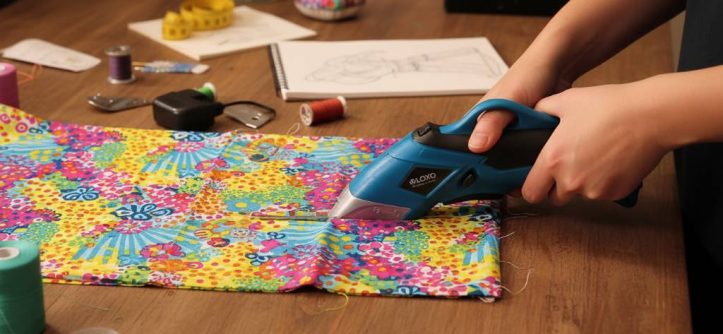
Imagine transforming your craft room into a haven of efficiency. You glide through fabrics and papers without the usual hand cramps. Electric scissors make this possible. They power through materials with ease. Crafters everywhere turn to these tools for smoother projects. In this guide, you learn how to select the best electric scissors for crafts.
Crafters often struggle with manual tools. Electric versions change that dynamic. They offer speed and precision. According to the National Endowment for the Arts’ 2022 Survey of Public Participation in the Arts, nearly half of U.S. adults engage in artistic activities. Statista reports that about 25% of Americans participate in DIY and arts & crafts. These numbers highlight the growing need for better tools. Electric scissors help you join this creative wave. They reduce fatigue and boost productivity. Now, explore the details to find your perfect pair.
Understanding Electric Scissors
Electric scissors revolutionize crafting. You press a button, and the blades move automatically. This setup cuts down on manual effort. Crafters appreciate the consistency these tools provide.
First, recognize their basic function. Motors drive the blades. You handle various materials like fabric or paper. However, not all models suit every task. Some excel in lightweight cuts. Others tackle thicker items.
Moreover, electric scissors come in different designs. Corded ones plug into outlets for constant power. Cordless models use batteries for portability. Each type fits specific needs. For instance, workshops benefit from corded reliability. On-the-go crafters prefer cordless freedom.
Additionally, consider the evolution of these tools. Early versions were bulky. Modern ones are sleek and user-friendly. Manufacturers focus on comfort now. This shift helps you craft longer without discomfort.
Furthermore, safety plays a key role. Built-in guards prevent accidents. You activate them easily. Such features make electric scissors accessible for beginners.
In summary, understanding these basics sets the foundation. You make informed choices. Next, dive into the types available.
Types of Electric Scissors for Crafts
Variety defines electric scissors. You find options tailored to crafts. Each type addresses specific materials and projects.
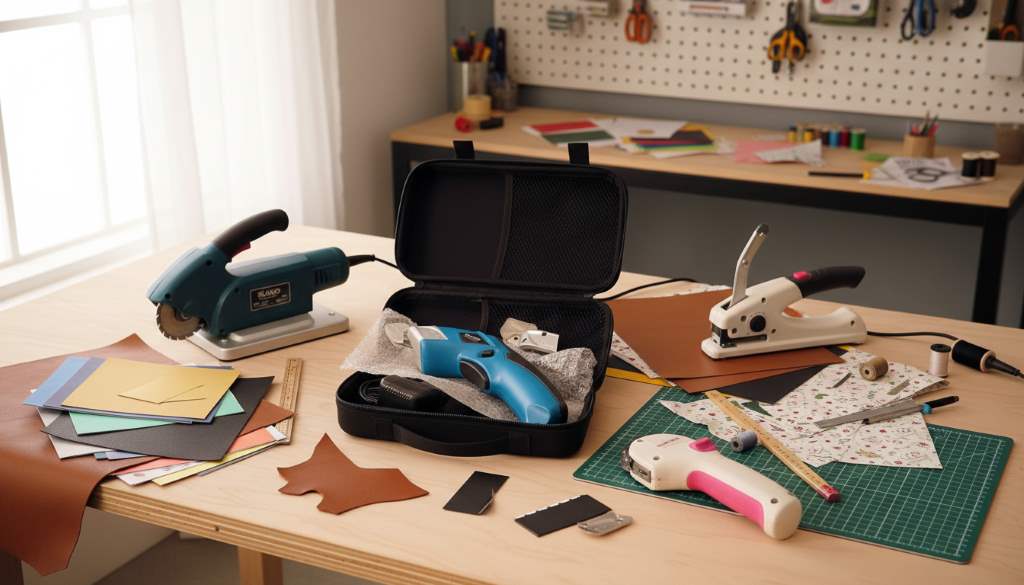
Corded Electric Scissors
Corded models connect to power sources. They deliver uninterrupted performance. You cut through dense fabrics steadily. Workshops favor these for extended sessions.
However, mobility limits them. The cord restricts movement. Still, their strength shines in stationary setups. Crafters handling large volumes prefer this reliability.
For example, quilters use corded scissors for precise layers. They maintain speed without recharging worries. This type suits detailed work.
Cordless Electric Scissors
Cordless versions offer freedom. Batteries power them. You move around without constraints. Travel crafters love this portability.
Rechargeable batteries keep them ready. Quick charges support spontaneous projects. Lightweight designs enhance handling.
Nevertheless, battery life varies. Heavy use drains them faster. You plan accordingly. Scrapbookers often choose cordless for flexibility.
Multi-Purpose Electric Scissors
Multi-purpose scissors handle diverse materials. You switch from paper to leather seamlessly. Versatility defines them.
Blades adapt to tasks. Some include interchangeable heads. Crafters with mixed projects benefit most.
Additionally, these reduce tool clutter. One device covers multiple needs. DIY enthusiasts appreciate the efficiency.
Specialized Electric Scissors
Specialized models target niches. Fabric-focused ones prevent fraying. Cardboard cutters tackle tough boxes.
Precision guides aid intricate cuts. Artists use them for detailed patterns. Each specialization boosts accuracy.
In addition, some feature LED lights. They illuminate work areas. Low-light crafting becomes easier.
Overall, types cater to preferences. You match them to your crafts. This ensures optimal results.
Key Features to Look For
Selecting electric scissors involves features. You evaluate them carefully. Each impacts performance and comfort.
Power and Cutting Capacity
Power determines cutting ability. Strong motors handle thick materials. You check specifications for compatibility.
For instance, higher voltage means better penetration. Fabrics like denim require this. Weaker models suit thin papers.
Moreover, capacity affects project scale. Wide blades cover more area. Narrow ones offer precision.
Ergonomic Design
Ergonomics prevent strain. Handles fit hands naturally. You grip them comfortably.
Soft materials cushion fingers. Balanced weight reduces fatigue. Crafters with arthritis value this.
Furthermore, adjustable angles adapt to users. Left-handed options exist too. Comfort leads to longer sessions.
Blade Quality and Types
Blades define cut quality. Stainless steel resists rust. Sharp edges ensure clean lines.
You choose serrated for grip. Straight blades suit smooth fabrics. Interchangeable sets add versatility.
In addition, durability matters. Quality blades last longer. They maintain sharpness over time.
Safety Features
Safety protects users. Guards shield fingers. Automatic shut-offs prevent mishaps.
Locks secure blades when idle. You activate them easily. Beginners find peace in these.
Additionally, overload protection avoids damage. It extends tool life. Safe crafting builds confidence.
Versatility and Attachments
Versatility expands use. Attachments handle extras. You cut curves or edges precisely.
Some include guides for straight lines. Crafters experiment more. This fosters creativity.
Overall, features guide your pick. You prioritize based on needs. This leads to satisfaction.
Benefits of Electric Scissors for Crafts
Electric scissors offer advantages. You experience them in projects. They transform routine tasks.
First, speed increases productivity. Manual cutting takes time. Electric versions finish faster. You complete more in sessions.
Moreover, precision improves outcomes. Consistent blades reduce errors. Crafts look professional.
Additionally, reduced strain benefits health. Studies show ergonomic tools prevent injuries. The Journal of Ergonomics notes lower wrist stress with powered cutters.
For example, repetitive motions cause issues. Electric scissors minimize them. Crafters report less pain.
Furthermore, accessibility aids all ages. Beginners handle them easily. Experienced users appreciate efficiency.
In crafting communities, shared stories highlight benefits. One quilter cut hours from prep. Another artist detailed designs effortlessly.
Overall, benefits enhance enjoyment. You craft with ease. This sparks more ideas.
How to Assess Your Crafting Needs
Assessment starts with projects. You list common materials. Fabrics? Papers? This narrows options.
Next, consider frequency. Daily use demands durability. Occasional needs lighter models.
Moreover, space influences choice. Small areas suit compact tools. Large setups allow bigger ones.
Additionally, skill level matters. Beginners seek simple interfaces. Pros want advanced features.
For instance, evaluate hand strength. Weaker grips benefit from power assists.
Furthermore, think about portability. Travel requires lightweight designs.
In summary, needs shape decisions. You align tools with habits. This ensures harmony.
Step-by-Step Guide to Choosing Electric Scissors
Choosing involves steps. You follow them systematically. This simplifies the process.
- Identify Your Materials: List what you cut most. Match scissors to them.
- Set Your Budget Range: Determine spending limits. Quality varies within ranges.
- Research Models: Read reviews online. Compare features side by side.
- Check Ergonomics: Hold them if possible. Comfort is key.
- Test Safety Features: Ensure they protect adequately.
- Evaluate Power Sources: Decide between corded and cordless.
- Look for Versatility: Opt for multi-use if needed.
- Read User Feedback: Learn from experiences.
- Make the Purchase: Select based on findings.
- Try in Projects: Adjust as necessary.
Moreover, steps build confidence. You avoid regrets. Each leads to better choices.
Common Mistakes When Picking Electric Scissors
Mistakes happen often. You learn to avoid them. This saves time and frustration.
First, ignoring ergonomics leads to discomfort. Always prioritize fit.
Moreover, overlooking material compatibility causes failures. Check specs carefully.
Additionally, choosing based on hype misleads. Verify claims independently.
For example, skipping reviews misses insights. Real users reveal truths.
Furthermore, neglecting safety risks accidents. Features protect you.
In addition, assuming all are similar deceives. Differences matter greatly.
Overall, awareness prevents pitfalls. You select wisely. Crafts improve accordingly.
Maintenance Tips for Longevity
Maintenance keeps scissors performing. You follow simple routines. This extends usability.
Clean blades after use. Wipe debris away. Dry them thoroughly.
Moreover, store in cases. Protect from dust. Keep in cool places.
Additionally, sharpen periodically. Dull blades strain motors.
For cordless, charge batteries properly. Avoid overcharging.
Furthermore, inspect regularly. Tighten loose parts. Replace worn blades.
In summary, care ensures reliability. You enjoy consistent cuts. Projects flow smoothly.
Real-Life Examples and Case Studies
Examples illustrate choices. Crafters share stories. You gain inspiration.
One scrapbooker switched to cordless. Mobility freed creativity. Pages multiplied.
Moreover, a quilter chose multi-purpose. Layers cut evenly. Quilts won awards.
Additionally, an artist used specialized blades. Intricate designs emerged. Exhibitions followed.
Case studies from forums highlight trends. Reddit users praise ergonomics. Reduced pain enabled longer work.
Furthermore, YouTube reviews demonstrate use. Visuals aid understanding.
Overall, stories guide you. Real applications show value. You envision your success.
Comparing Top Models on the Market
Comparisons clarify options. You weigh pros and cons. This informs decisions.
Model A offers strong power. It cuts thick fabrics. However, it’s heavier.
Model B shines in portability. Lightweight design suits travel. Battery lasts hours.
Moreover, Model C provides versatility. Attachments handle varied tasks. Safety stands out.
Additionally, user ratings favor Model D. Consistent performance earns praise.
For crafts, Model E excels in precision. Fine cuts suit details.
Furthermore, consider community favorites. Forums discuss reliability.
In summary, comparisons reveal fits. You match to needs. Satisfaction follows.
Integrating Electric Scissors into Your Workflow
Integration enhances efficiency. You incorporate them gradually. This maximizes benefits.
Start with simple tasks. Build familiarity. Confidence grows.
Moreover, combine with other tools. Scissors complement rotary cutters.
Additionally, organize storage. Easy access speeds work.
For projects, plan cuts. Electric scissors handle bulk.
Furthermore, track improvements. Note time saved. Adjust techniques.
In summary, seamless integration boosts output. Crafts become enjoyable. Creativity flourishes.
Advanced Tips for Experienced Crafters
Advanced tips elevate skills. You apply them thoughtfully. This refines techniques.
Experiment with speeds. Adjust for materials. Precision increases.
Moreover, customize grips. Add padding if needed. Comfort extends sessions.
Additionally, pair with mats. Protect surfaces. Cuts stay clean.
For complex patterns, use guides. Accuracy improves.
Furthermore, join communities. Share insights. Learn from peers.
In summary, tips enhance mastery. You push boundaries. Projects impress.
Related:
Essential Software Tools Every PC Troubleshooter Needs
DIY: Replacing Your Trailer’s Flooring
Environmental Considerations in Choosing Tools
Environment matters today. You select sustainable options. This aligns with values.
Look for recyclable materials. Brands emphasize eco-friendliness.
Moreover, energy-efficient models save power. Cordless with long batteries reduce waste.
Additionally, durable tools last longer. Fewer replacements help planets.
For packaging, choose minimal. Less waste benefits all.
Furthermore, support green manufacturers. Research their practices.
In summary, mindful choices impact positively. You craft responsibly. Future generations thank you.
The Future of Electric Scissors in Crafting
Future holds innovations. You anticipate changes. This prepares you.
Smart features emerge. Apps control settings. Customization deepens.
Moreover, lighter materials improve handling. Portability increases.
Additionally, AI assists cuts. Precision reaches new levels.
Sustainability drives designs. Eco-materials dominate.
Furthermore, integration with devices grows. Workflow streamlines.
In summary, exciting developments await. You stay informed. Crafts evolve.
Conclusion
Picking electric scissors transforms crafting. You considered types, features, and benefits. Ergonomics reduce strain. Power ensures efficiency. Versatility expands possibilities. Avoid common mistakes for better choices. Maintenance keeps them reliable. Real examples inspire action.
Now, apply this knowledge. Select your pair today. Start cutting with ease. Your projects await elevation. Share your experiences in comments.
FAQs
What materials do electric scissors cut best?
Electric scissors excel on fabrics, papers, and cardboards. You handle leathers and plastics too. Match blade types to materials for optimal results.
Are cordless electric scissors better than corded?
Cordless offer mobility. Corded provide constant power. You choose based on project needs and space.
How do electric scissors reduce hand fatigue?
Motors do the work. Ergonomic handles fit comfortably. You experience less strain during long sessions.
Can beginners use electric scissors easily?
Yes, simple controls help. Safety features protect. You start with basic models for confidence.
What makes electric scissors precise for crafts?
Consistent blade movement ensures clean cuts. Guides aid accuracy. You achieve professional looks effortlessly.
References



Leave a Reply