
Waste management has become a pressing concern for households and businesses alike. Additionally, the environmental impact of unnecessary consumption continues to grow each year. However, innovative solutions are emerging to help people track their belongings and reduce waste effectively.
The Circ app offers smart tracking features that empower users to monitor their possessions, share items within communities, and minimize unnecessary purchases. Therefore, understanding how to leverage these features can significantly reduce your environmental footprint while saving money.
Understanding Smart Tracking Technology
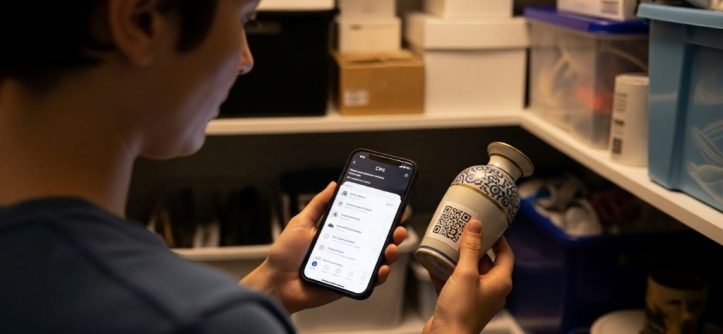
Smart tracking technology allows users to catalog and monitor their belongings digitally. The Circ app uses this technology to create a comprehensive inventory of items you own. Consequently, you can avoid buying duplicates or forgetting about useful items stored away.
The app’s tracking system works through simple input methods. Users can photograph items, add descriptions, and categorize possessions by room or type. This digital organization replaces cluttered storage spaces and forgotten boxes. Moreover, the visual interface makes finding items quick and straightforward.
Many people accumulate possessions without realizing what they already own. Studies show that the average household contains thousands of items, many rarely used. The Circ app addresses this problem by bringing awareness to your consumption patterns.
How Circ App Prevents Duplicate Purchases
One major source of waste comes from buying items you already possess. However, the Circ app solves this problem through its searchable database feature. Before making a purchase, you can quickly check whether you already own a similar item.
The search function operates like a personal inventory system. Simply type what you need, and the app displays matching items from your collection. Therefore, you can make informed decisions about whether a purchase is truly necessary.
Additionally, the app sends reminders about items you’ve stored in different locations. This feature proves especially valuable for seasonal items like holiday decorations or camping gear. Instead of buying new equipment each year, you can locate your existing supplies effortlessly.
According to research from the Environmental Protection Agency, Americans generate millions of tons of waste annually, much of it from unnecessary purchases. Smart tracking helps combat this trend by promoting mindful consumption.
Sharing Economy Features That Reduce Waste
The Circ app extends beyond personal tracking to facilitate item sharing within communities. This feature transforms waste reduction from an individual effort into a collective movement. Users can list items they own but rarely use, making them available to neighbors.
Sharing reduces the need for everyone to own every tool or appliance. For example, power tools often sit unused for months between projects. However, through the Circ app, one drill can serve multiple households throughout the year.
The borrowing system includes built-in tracking for lent items. You can see who has borrowed what and when items are due back. Therefore, the process remains organized and trustworthy. This transparency encourages more people to participate in the sharing economy.
Furthermore, the app includes a rating system that builds community trust. Users can review their borrowing experiences, creating accountability within the network. This social element strengthens neighborhoods while reducing overall consumption.
Monitoring Item Lifespan and Maintenance
Smart tracking helps extend the life of your possessions through maintenance reminders. The Circ app allows users to set schedules for regular upkeep tasks. Consequently, items remain in good condition longer, delaying replacement needs.
For appliances and vehicles, the app can track service histories. You can record when you last changed air filters, rotated tires, or serviced equipment. These records help prevent breakdowns that lead to premature disposal.
Additionally, the lifespan monitoring feature identifies patterns in your consumption. You might notice certain items wear out quickly due to quality issues. Therefore, you can make better purchasing decisions in the future, choosing durable products over cheap alternatives.
The app also helps identify items worth repairing versus replacing. By tracking an item’s age and repair history, you can make economical and environmental decisions. Repairing extends product life and keeps items out of landfills.
Decluttering Without Creating Waste
Traditional decluttering often means throwing away perfectly usable items. However, the Circ app offers alternatives that prevent waste while clearing space. The platform connects users with donation centers, resale platforms, and recycling facilities.
When you decide to remove an item from your collection, the app suggests appropriate disposal methods. Electronics get directed to e-waste recycling programs. Clothing items connect to donation services or consignment shops. Therefore, fewer possessions end up in trash bins.
The app’s integration with resale marketplaces streamlines selling processes. You can photograph items already cataloged in your inventory and list them for sale instantly. This convenience encourages reselling over discarding, giving items second lives with new owners.
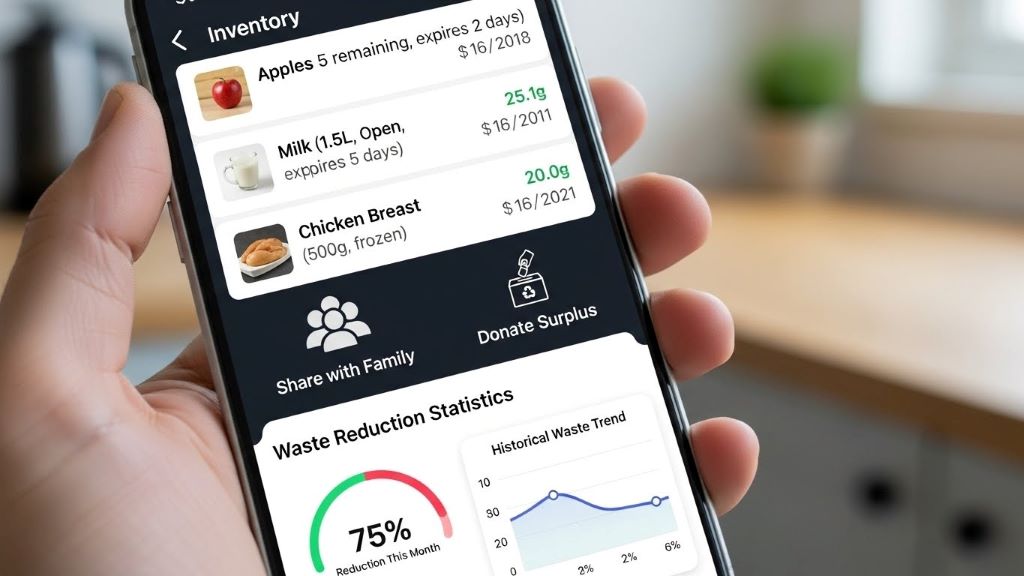
Moreover, the app tracks your decluttering progress and environmental impact. Seeing metrics about items donated or recycled provides motivation to continue sustainable practices. Many users report feeling accomplished when reviewing their waste reduction statistics.
Meal Planning and Food Waste Reduction
Food waste represents a significant portion of household waste. The Circ app includes features specifically designed to track pantry items and reduce food spoilage. Users can catalog groceries with expiration dates and receive alerts before items go bad.
The meal planning integration helps users consume ingredients before they expire. You can search your pantry inventory and find recipes using items nearing their expiration dates. Therefore, less food gets thrown away, saving money and reducing environmental impact.
Shopping list features prevent overbuying at the grocery store. The app shows what you already have at home while you’re shopping. Additionally, it suggests quantities based on your household’s consumption patterns. This intelligent assistance minimizes purchasing excess food that might spoil.
According to ReFED, reducing household food waste can save families hundreds of dollars annually while significantly lowering carbon emissions. Smart tracking makes this reduction achievable for everyday users.
Tracking Sustainable Alternatives
The Circ app helps users transition to reusable alternatives by tracking their usage. You can monitor how often you use reusable bags, water bottles, or food containers. Consequently, you gain insight into your sustainability progress over time.
This tracking feature includes impact calculations. The app estimates how many disposable items you’ve avoided using based on your reusable product usage. Seeing concrete numbers like “300 plastic bottles avoided” provides tangible proof of your positive impact.
Furthermore, the app can remind you to bring reusable items when leaving home. Location-based notifications prompt you to grab shopping bags before entering stores. These gentle reminders help sustainable choices become automatic habits.
The community aspect extends to sustainable alternatives as well. Users can share tips about effective reusable products and recommend brands. Therefore, the app becomes both a tracking tool and an educational resource for environmental living.
Building Long-Term Sustainable Habits
Smart tracking creates awareness that leads to lasting behavioral change. The Circ app’s analytics show consumption patterns over weeks, months, and years. Users can identify wasteful habits they weren’t previously aware of and adjust accordingly.
The app’s goal-setting features help users establish and maintain sustainable practices. You can set targets for reduced purchases, increased sharing, or zero food waste. Therefore, abstract environmental intentions become concrete, measurable objectives.
Progress tracking includes visual representations of your achievements. Graphs and charts display waste reduction trends, making improvements visible and motivating. Additionally, milestone celebrations acknowledge significant accomplishments, reinforcing positive behaviors.
Community challenges within the app encourage collective action. Groups can compete to reduce waste, share items, or extend product lifespans. This gamification element makes sustainability engaging while building supportive networks of like-minded individuals.
Conclusion
The Circ app demonstrates how smart tracking technology can transform waste reduction from an overwhelming challenge into manageable daily practice. By cataloging possessions, preventing duplicate purchases, facilitating sharing, and monitoring maintenance, the app addresses waste at multiple levels.
Additionally, features targeting food waste, sustainable alternatives, and community engagement create a comprehensive approach to environmental responsibility. Therefore, users can significantly reduce their waste footprint while building lasting sustainable habits.
The combination of personal tracking and community connection makes the Circ app a powerful tool for anyone committed to reducing waste. Smart features remove barriers to sustainable living, making eco-friendly choices convenient and measurable. Ultimately, widespread adoption of such technology could substantially decrease household waste and promote more mindful consumption patterns.
Frequently Asked Questions
How does the Circ app help reduce unnecessary purchases?
The Circ app maintains a searchable inventory of your belongings, allowing you to check what you already own before buying new items. This prevents duplicate purchases and helps you rediscover forgotten possessions that can serve your needs.
Can I share items with people outside my immediate neighborhood?
While the Circ app primarily focuses on local community sharing to maximize convenience, you can adjust your sharing radius in settings. However, local sharing typically works best for reducing transportation-related emissions and building neighborhood connections.
Does the app work offline when I’m shopping?
The Circ app offers limited offline functionality, allowing you to view your previously synced inventory when shopping without internet connection. However, you’ll need connectivity to update your inventory or access sharing features.
How does the food waste tracking feature work?
You can photograph and catalog pantry items with their expiration dates. The app sends notifications when items approach expiration and suggests recipes using those ingredients. This helps you consume food before it spoils.
Is my inventory data private or visible to other users?
Your personal inventory remains completely private unless you specifically choose to share individual items with your community. You control exactly what becomes visible to others and can adjust privacy settings anytime.
Related Topics:
Why Choose React Native for Your Mobile Tech Stack? A Complete Guide
Facebook Marketplace: Is It Right for You? Exploring Buying and Selling


Leave a Reply