In the fast‑paced world of startups, traffic often feels like the ultimate growth lever. Founders pour resources into ads, influencer outreach, and SEO campaigns to get those numbers rising. But here’s the trap — more traffic doesn’t automatically mean more sales. Without a rock‑solid startup conversion rate optimization strategy, even thousands of visitors can vanish without clicking “Buy” or “Sign Up.”
Before you start scaling, the real question is: Can your current funnel handle an influx of traffic efficiently? If the answer leans toward “not sure,” this guide is your roadmap to building a scalable, revenue‑ready startup through smart CRO optimization.
Why Conversion Rate Optimization Matters for Startups
For most startups, early growth hinges on lean budgets and high efficiency. Every visitor counts. That’s why startups that prioritize conversion rate optimization (CRO) often outperform those that just chase traffic.
The ROI of Better Conversions
-
A 1% increase in conversion rates can sometimes deliver higher ROI than doubling ad spend.
-
CRO helps you lower cost per acquisition (CPA), extending your burn rate and improving marketing efficiency.
-
A/B testing and UX improvements often reveal insights about customer behavior that inform future product and marketing strategies.
In short: optimizing conversions isn’t just marketing—it’s survival.
What to Fix Before Scaling Traffic
Your startup website needs to convert cold visitors into warm leads before large‑scale promotion. Here are the essential areas to optimize before you invest in scaling.
1. Audit Your Conversion Funnel
A conversion audit for startups is the foundation of every successful startup CRO strategy. It reveals where potential customers drop off and what’s stopping them from taking action.
Key checkpoints for a startup conversion audit:
-
Landing Page Relevance: Does your landing page align with ad or search intent?
-
Friction Points: Test your signup, checkout, or contact forms. Are they too long or confusing?
-
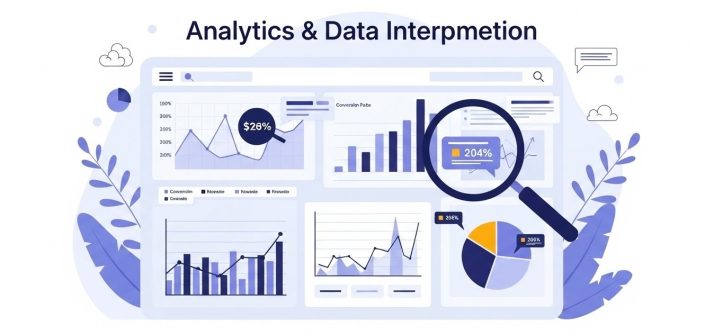
Analytics Setup: Track micro‑conversions (scroll depth, CTA clicks, field drop‑offs) to gain insight into user behavior.
-
Page Speed: Even a 1‑second delay can reduce conversions by up to 7%. Optimize images, caching, and scripts.
Pro Tip: Use tools like Hotjar, Google Analytics 4, and Crazy Egg to visualize user interactions and identify optimization opportunities.

2. Fine‑Tune Your Value Proposition
Your value proposition must instantly communicate how your product solves a real problem. A weak headline or generic message can destroy engagement even before visitors scroll.
Best practices:
-
State your unique selling proposition (USP) in the hero section.
-
Use customer language — pull real quotes from surveys or reviews.
-
Highlight measurable outcomes like “Save 30% time on project delivery” instead of vague promises.
Effective startup conversion rate optimization begins with understanding not just what you sell, but why people should care.
3. Simplify Your User Experience (UX)
A confusing or poorly designed interface can silently drain conversions. For startups, seamless UX is a trust signal.
Optimize for clarity and action:
-
Keep critical CTAs (like “Get Started” or “Book a Demo”) above the fold.
-
Use contrasting colors for buttons.
-
Simplify navigation with minimal menu options.
-
Ensure mobile responsiveness — around 70% of startup traffic now comes from mobile devices.
Test it: Ask someone unfamiliar with your product to complete a task on your site while you observe. Any hesitation equals a UX problem.
4. Build Social Proof and Trust Signals
New startups face skepticism—visitors often hesitate because they lack trust in emerging brands. Effective CRO builds instant credibility.
Add these elements early and prominently:
-
Verified testimonials or case studies.
-
Media mentions or awards.
-
Client logos or trust badges.
-
Transparent pricing or refund policies.
Each of these elements acts as a confidence booster, helping increase startup conversions dramatically.
5. Optimize for Persuasion, Not Just Design
Design gets people to stay. Persuasion gets them to act.
Use neuroscience‑backed techniques:
-
FOMO (Fear of Missing Out): Limited‑time offers or spots left in beta programs.
-
Anchoring: Display a higher “regular” price next to a discounted plan.
-
Reciprocity: Offer a free trial, checklist, or ebook before asking for signup.
-
Consistency: Ensure messaging matches from ad to landing page.
These subtle cues nudge users toward conversions without feeling pushy.
6. Personalize User Journeys
Personalization isn’t just for big brands. Startups can leverage small datasets to create meaningful experiences.
Tactics to implement:
-
Show tailored CTAs based on traffic source.
-
Use dynamic text to adjust copy per campaign.
-
Trigger exit‑intent popups with relevant offers.
-
Send follow‑up emails triggered by behavior (e.g., abandoned cart, incomplete signup).
Even minor personalization can dramatically increase startup conversions with minimal development overhead.
7. Test, Measure, and Iterate
CRO isn’t a one‑time project—it’s a continuous feedback loop.
Follow this process:
-
Hypothesize: Identify specific elements causing friction.
-
Test: A/B test one variation at a time.
-
Analyze: Evaluate statistical significance before applying changes.
-
Document: Maintain a testing log to track learnings.
Use tools like Google Optimize (deprecated but alternatives like VWO exist) or Optimizely to manage tests efficiently.
By consistently iterating, you’ll refine your startup CRO strategy and gain insights that compound over time.
Common CRO Mistakes Startups Make
Startups often overlook these pitfalls while chasing growth:
-
Focusing only on traffic, not conversion quality.
-
Skipping analytics validation (leading to false data).
-
Underestimating mobile experience where most traffic originates.
-
Overcomplicating messaging with jargon or long forms.
-
Failing to define micro‑goals like “newsletter signup” or “watch demo,” which nurture leads toward macro‑conversions.
Avoiding these missteps sets you up for scalable growth.
Crafting a Scalable Startup CRO Strategy
Now that your foundation is solid, it’s time to build a data‑driven startup CRO strategy.
Key Elements of an Effective Strategy
-
Define Conversion Goals: Align metrics with your growth phase (MVP signups vs sales).
-
Use Segmentation: Target audiences by intent—organic visitors may differ from paid users.
-
Leverage Behavioral Data: Integrate heatmaps and session replays to inform UX changes.
-
Automate Reporting: Use dashboards to track progress weekly and communicate results to your team.
This structure allows you to adapt fast and maintain a conversion‑first mindset as your traffic scales.
Before You Scale Traffic: Run a CRO Pre‑Checklist
Here’s a startup CRO pre‑scaling checklist to assess readiness:
-
Conduct conversion audit for startups
-
Fix technical SEO and site speed
-
Clarify your primary CTA on each page
-
Strengthen trust and social proof
-
Simplify forms and checkout processes
-
Set up tracking and analytics dashboards
-
Create A/B testing plan for scaling phase
If several points remain unchecked, focus there first. Scaling before optimization can multiply inefficiencies instead of growth.
Call to Action
Your startup doesn’t need more traffic—it needs smarter traffic. Start by fixing these conversion bottlenecks, and you’ll see a stronger ROI from every visitor.
Want help performing a conversion audit for startups or building a scalable startup CRO strategy?
Contact our optimization experts today to turn your website into a conversion engine before you spend another dollar on ads.
Frequently Asked Questions (FAQs)
1. What is the ideal conversion rate for startups?
There’s no universal benchmark. Most B2B startups average between 1% to 5%, while SaaS startups often reach 7–10% with a strong CRO process.
2. How long does it take to see results from CRO?
Early wins can appear within weeks, but sustainable monthly gains come from continuous testing and analysis over 2–3 months.
3. Do I need a CRO specialist or can I handle it myself?
Early‑stage startups can do basic audits internally, but a CRO expert or agency can accelerate experimentation and insights.
4. Should I focus on design or messaging first?
Always prioritize messaging. Even a visually simple page converts well when the value proposition resonates.
5. Which tools are best for startup CRO?
Try Google Analytics 4, Hotjar, Crazy Egg, Optimizely, or VWO for tracking, heatmaps, and testing.
6. Does CRO affect SEO rankings?
Yes. Improved UX, faster load times, and reduced bounce rates indirectly boost SEO performance.
Related Topics: The amazing features of copper pipes
Related Topics: Analytics on Fire: Supercharge Your Instagram Game with Real-Time Insights



Leave a Reply