
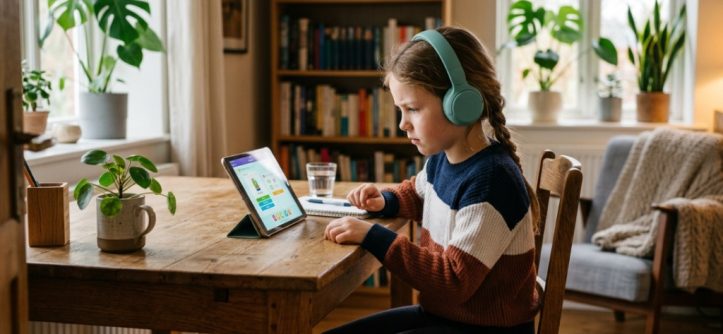
You bought your kid a perfectly good pair of headphones. They rated well, had great features, and looked cool. And your child refuses to wear them after 15 minutes because “they hurt” or “they squeeze my head.” Sound familiar?
Comfort isn’t a luxury feature — it’s the entire foundation. The safest, most expensive, best-sounding headphones in the world are worthless if a child won’t keep them on. And kids don’t lie about discomfort. If it hurts, it’s coming off. End of discussion. No amount of “but these are good for you” reasoning works on a 7-year-old with sore ears.
The solution isn’t just “buy better headphones.” It’s understanding exactly what makes over-ear headphones for kids comfortable—the specific design elements, materials, weight limits, and fit factors that determine whether your child will happily wear them for hours or rip them off in minutes. Let’s break it all down so you never waste money on unwearable headphones again.
Why Are Over-Ear Headphones More Comfortable Than Other Styles for Kids?
Over-ear (circumaural) headphones place the ear cushion around the entire ear rather than pressing on it. This fundamental design difference matters hugely for children:
No ear pressure: On-ear headphones press directly against the ear cartilage. After 20-30 minutes, this causes genuine pain — especially for kids with smaller, more sensitive ears. Over-ear designs eliminate this entirely by creating space around the ear.
Weight distribution: The headband and ear cups distribute weight across a larger surface area. Instead of concentrated pressure points, the force spreads evenly — meaning less fatigue even during long homework sessions or flights.
Better noise isolation: The complete seal around the ear blocks more ambient noise passively. This means kids can listen at lower volumes while still hearing their content clearly — reducing both noise exposure and the need for tight clamping force.
Temperature management: Well-designed over-ear cups create an air pocket around the ear that reduces direct skin contact and allows some airflow. On-ear designs trap heat directly against the ear surface with no buffer.
For children who need to wear headphones for studying (30-90 minutes), online classes (45-60 minutes), or travel (2-8 hours), over-ear is the clear winner for sustained comfort.
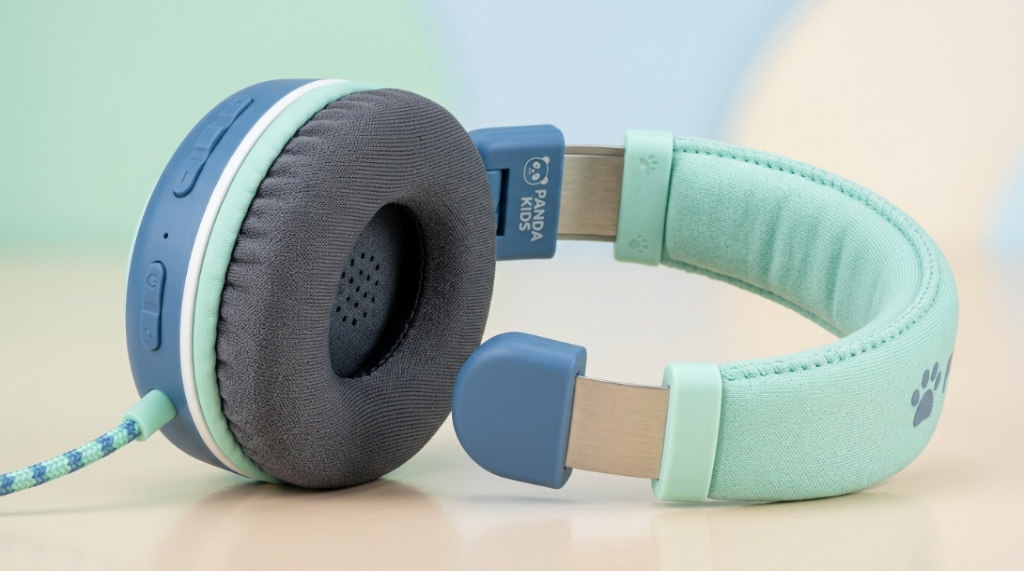
What Makes Over-Ear Headphones for Kids Uncomfortable?
Understanding the pain points helps you avoid them. These are the most common comfort killers:
Excessive Clamping Force
The spring tension in the headband that keeps headphones in place. Too much force and it squeezes the sides of the head, causing headaches within 30 minutes. Kids’ skulls are smaller, so the same clamping force that feels fine on an adult feels much tighter on a child. Look for headphones with lighter clamping force—or adjustable tension.
Heavy Weight
Anything over 200g starts causing neck fatigue for kids under 10. Over 250g, and most children become actively uncomfortable within an hour. The ideal range for comfortable headphones for children is 130-180 g—light enough to barely feel but substantial enough to stay in place.
Poor Ear Pad Materials
Synthetic leather (pleather) traps heat and causes sweating within 20-30 minutes. Cheap foam compresses flat quickly, losing cushioning. Stiff padding doesn’t conform to head shape. The best materials for kids: breathable mesh fabric, protein leather with perforations, or memory foam with fabric covers.
Wrong Size Ear Cups
If the inner opening is too small, it sits ON the ear instead of around it—defeating the entire purpose of the over-ear design. Kids’ ears vary significantly by age. The opening should be at least 5.5 cm tall and 4 cm wide for ages 4-8 and 6 cm x 4.5 cm for ages 8-12.
Rigid, Non-Adjustable Headband
One-size headbands force unnatural positioning. A good kids’ headband should adjust smoothly, hold its position without slipping, and have adequate top padding to prevent pressure on the crown of the head.
What Comfort Features Should You Prioritize When Shopping?
When evaluating over-ear headphones for kids, rank these features in order of importance for comfort:
| Feature | Why It Matters | What to Look For | Red Flags |
|---|---|---|---|
| Weight | Prevents neck/head fatigue | Under 180g for ages 4-8, under 210g for 8-12 | Over 250g, no weight listed |
| Ear Pad Material | Prevents heat, pressure, irritation | Memory foam, breathable fabric, protein leather | “Foam” with no specifics, vinyl/PVC |
| Clamping Force | Prevents headaches and pressure | Adjustable, described as “gentle” or “light” | “Secure grip,” no mentions of comfort |
| Headband Padding | Prevents crown pressure | Padded, cushioned, distributed weight | Hard plastic, thin band, no padding visible |
| Adjustability | Ensures proper fit at any age | Multi-step slider, smooth adjustment | Fixed-size, “one size fits all” claims |
Which Over-Ear Headphones for Kids Are the Most Comfortable in 2026?
Based on parent reviews specifically focused on comfort during extended wear, these models consistently receive the highest comfort ratings:
1. Puro Sound Labs BT2200 (Ages 4-12)
Weight: 180g | Ear Pad: Protein leather + memory foam | Clamping: Light-medium
The gold standard for comfortable headphones for children. The ear cups are generously sized, memory foam conforms to head shape, and the overall weight feels almost negligible. Kids regularly wear these for 2+ hours without complaints. The 85 dB volume limit adds safety without compromising audio quality. Price: $70-90.
2. BuddyPhones Cosmos+ (Ages 4-10)
Weight: 195g | Ear Pad: Plush foam with fabric cover | Clamping: Light
Specifically designed with children’s comfort as the primary engineering goal. The headband uses a flexible, self-adjusting design that eliminates the need for manual size settings—it simply conforms to the child’s head. Ear pads are extra-thick and breathable. The trade-off is slightly heavier weight. Price: $70-90.
3. JLab JBuddies Studio (Ages 6-12)
Weight: 170g | Ear Pad: Cushioned foam with leatherette | Clamping: Light
Excellent comfort at a budget price. The cloud foam ear cushions are surprisingly plush for the price point, and the lightweight construction means minimal fatigue. Not as premium-feeling as Puro, but 80% of the comfort at a third of the price. Price: $25-35.
4. iClever BTH12 (Ages 4-12)
Weight: 165g | Ear Pad: Memory foam with protein leather Clamping: Light-medium
Among the lightest ANC headphones for kids, which directly translates to comfort. The ear cups rotate to lay flat, reducing pressure when leaning against headrests during travel. Solid comfort for the $30-40 price range.
5. LilGadgets Untangled Pro (Ages 4-10)
Weight: 175g | Ear Pad: Plush cotton padding | Clamping: Very light
Cotton ear pads are unusual in this category but deliver exceptional breathability — zero heat buildup even in warm environments. The very light clamping force makes these feel barely there on the head. Downside: they can slip off during active movement. Best for seated activities. Price: $35-45.
How Do You Test Comfort Before Committing to a Purchase?
Online shopping makes this challenging, but here are strategies:
Check the return policy: Buy from retailers with free returns (Amazon, Target, etc.). Let your child wear the headphones at home for 30-60 minutes doing normal activities before deciding to keep them. If complaints emerge, return and try another pair.
Read reviews filtered for “comfort”: On Amazon, search reviews for “comfortable,” “hours,” “won’t take off,” or “no complaints.” These specific terms from other parents reveal real-world comfort performance better than specs alone.
Check weight first: If the listing doesn’t mention weight, that’s a red flag — it likely means the headphones are heavy. Manufacturers of lightweight headphones always advertise weight as a selling point.
Look at the ear cup internal dimensions: If available in specs or photos, check that the opening is large enough for over-ear (not on-ear) positioning. Many “over-ear” headphones for kids have cups too small to actually surround children’s ears fully.
Consider your child’s specific sensitivities: Some kids hate anything touching the tops of their ears. Some are sensitive to headband pressure on the crown. Some sweat easily. Match the design to your child’s particular comfort needs.
Finding the right gear for your child’s screen time or online learning comes down to distraction-free comfort. Just as adults might look to Block Snoring With Affordable Sleep Headphones to get a peaceful, uninterrupted night’s rest, children need specialized gear that fits perfectly without causing ear fatigue. Selecting the right pair ensures they stay focused on their lessons or games without constantly adjusting a painful headband.
How Long Can Kids Comfortably Wear Over-Ear Headphones?
With well-fitting, lightweight, comfortable headphones for children, here are realistic duration expectations:
Premium comfort models (Puro, BuddyPhones): 2-3 hours continuous before needing a break. Some kids go longer without complaint, but 2-3 hours is where most benefit from removing them briefly.
Mid-range comfort (JLab, iClever): 1-2 hours continuous. These are perfectly fine for homework sessions and short trips but may cause mild discomfort on long flights without periodic breaks.
Budget/basic comfort: 30-60 minutes. Fine for classroom sessions and short tasks, but not ideal for extended travel or all-day use.
Regardless of headphone quality, best practice is a 5-10 minute break every hour. This allows ears to “breathe,” blood circulation to normalize, and prevents the gradual heat buildup that even the best padding can’t fully prevent.
Over-Ear vs. On-Ear vs. In-Ear: Which Is Actually Best for Kids’ Comfort?
Quick comparison for parents weighing their options:
Over-Ear (Recommended for ages 4+): Most comfortable for extended wear. Best noise isolation without volume increase. Only downside: bulkier for very young children and warmer in hot weather. This is what we recommend for most kids in most situations.
On-Ear (Acceptable for ages 7+): Lighter and more portable. But direct ear pressure causes fatigue faster. Only choose these if your child specifically prefers the smaller profile and doesn’t wear them for more than 30-45 minutes at a time.
In-Ear/Earbuds (Not recommended under 12): Pediatric audiologists generally advise against earbuds for children. They deliver sound directly into the ear canal at close range; hygiene is harder to maintain; they’re easy to lose; and kids often push them deeper than safe. Save these for teenagers.
If your child is between styles, the resource at comfortable headphones for children with noise-canceling features offers additional comparisons to help narrow down the perfect fit for your child’s needs.
How Do You Maintain Comfort Over Time?
Even the most comfortable headphones degrade without proper care:
- Replace ear pads every 6-12 months: Foam compresses; leather cracks; fabric pills. Fresh pads restore original comfort levels instantly. Check if your model offers replacement pads before buying.
- Store properly: Don’t hang them by one ear cup — this warps the headband over time, creating uneven pressure. Lay flat or use a headphone stand.
- Clean regularly: Sweat and oils break down materials faster. Wipe pads with a slightly damp cloth weekly. Remove replaceable pads monthly for deeper cleaning.
- Don’t overextend the headband: Teach kids to put headphones on gently without pulling ear cups apart excessively. Over-stretching weakens headband tension over time.
- Check fit every 3-4 months: Kids’ heads grow. What fit perfectly in September might be too tight by January. Readjust the headband slider and check that ears still sit fully within the cups.
What About Kids with Glasses — Are Over-Ear Headphones Still Comfortable?
This is a commonly overlooked issue. Glasses temples (the arms that go over the ears) create a gap in the ear pad seal and a pressure point where the temple presses between the pad and skull. For kids wearing glasses, comfort considerations change:
- Choose thicker, softer ear pads: Memory foam conforms around the glasses’ temple rather than pressing it into the skin. Thin or firm pads create painful hotspots.
- Lighter clamping force is essential: Strong clamp + glasses’ temple = headache within 15 minutes. A light clamp and soft pads accommodate glasses comfortably.
- Consider glasses-friendly notches: Some premium headphones have grooves in the ear pads specifically for glasses temples. These are rare in kids’ models but worth seeking out.
- Thinner glass frames help: If your child wears thick plastic frames, almost any headphone will be less comfortable. Thinner wire frames create less interference.
Best picks for glasses-wearing kids: Puro BT2200 (soft memory foam conforms well) and BuddyPhones Cosmos+ (extra-thick plush padding absorbs the temple pressure).
FAQ
What weight should over-ear headphones for kids be?
Under 180g for children ages 4-8, and under 210g for ages 8-12. Above 220g, most children experience noticeable neck fatigue within an hour. The lightest comfortable options start around 150g — barely heavier than a large apple.
Are memory foam ear pads better than regular foam for kids?
Yes, significantly. Memory foam conforms to the unique shape of each child’s head and ears, distributing pressure evenly. Regular foam provides uniform resistance regardless of head shape, creating pressure points. The comfort difference is immediately noticeable, especially during wear longer than 30 minutes.
Why do my kid’s headphones get hot and sweaty?
Synthetic leather (pleather/PU leather) ear pads trap heat against the skin with no breathability. Switch to headphones with breathable mesh fabric pads or perforated protein leather. Alternatively, aftermarket fabric ear pad covers can be placed over existing leather pads to improve airflow.
Can I stretch out headphones that are too tight for my child?
Temporarily, yes — place them stretched over a stack of books slightly wider than your child’s head overnight. This loosens the headband tension gently. However, repeatedly doing this weakens the band. A better solution: exchange for a model with lighter clamping force designed for children.
How do I know if headphones are truly “over-ear” vs. “on-ear” for my child?
Put the headphones on your child and look at their ears. If you can see any part of the ear being pressed by the pad, they’re functioning as on-ear regardless of marketing. “True over-ear” means the ear sits completely inside the cup opening with padding surrounding it entirely.
Do wireless headphones weigh more than wired ones?
Yes, typically 15-30g more due to the battery. For most models, this is negligible. However, if weight is a primary concern (very young children, extended wear), wired options are slightly lighter. The convenience of wireless usually outweighs the minor weight increase for ages 6+.
My child has sensory processing issues—which headphones are most tolerable?
For sensory-sensitive children, prioritize ultra-light weight (under 160g), very light clamping force, breathable fabric pads (no leather touching skin), and smooth textures with no rough seams. The LilGadgets Untangled Pro with cotton pads and a gentle fit is frequently recommended by occupational therapists for this population.



Leave a Reply