
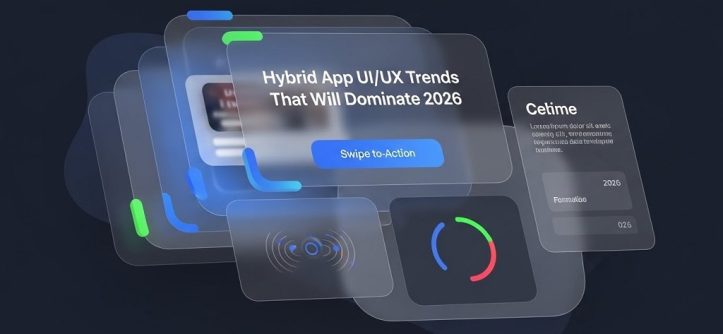
Hybrid apps are no longer a “good enough” alternative to native apps—they are becoming a strategic choice. As businesses push for faster development cycles and wider device coverage, UI/UX design is what separates successful hybrid apps from forgettable ones. Studies from the U.S. Digital Service show that poor usability is one of the top reasons users abandon digital products, while Google’s UX research consistently links faster, smoother interfaces with higher retention rates.
In 2026, hybrid app UI/UX will focus on performance realism, platform familiarity, and human-centered interactions. This article breaks down the trends shaping that future, why they matter, and how teams can apply them in real projects—without overcomplicating design decisions.
Understanding the Basics
Hybrid app UI/UX refers to how users experience apps built using shared codebases (like web technologies) but deployed across multiple platforms. The challenge is balancing efficiency with native-like feel.
For example, a food delivery app built as a hybrid solution must scroll smoothly, respond instantly to gestures, and visually match Android and iOS expectations—otherwise users notice friction immediately.
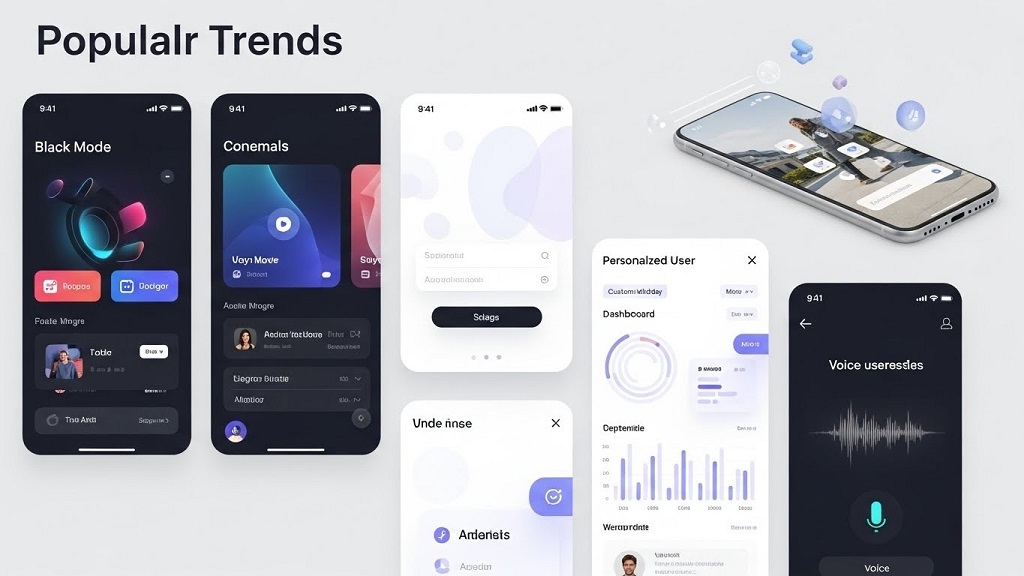
Why This Topic Matters
Hybrid UI/UX trends matter because user expectations are rising faster than technology shortcuts.
Key benefits
-
Faster development without sacrificing user experience
-
Consistent branding across platforms
-
Lower long-term maintenance costs
Real-world impact
-
Better UX leads to higher retention and lower uninstall rates
-
Performance-focused design reduces user frustration
How users apply it
Design teams now prototype hybrid apps as if they were native first, then optimize for shared logic.
Scenario:
A fintech startup launches a hybrid app. Early feedback shows users feel it’s “slow.” After adopting motion-light animations and native UI patterns, ratings jump from 3.6 to 4.4—without rewriting the entire app.
Key Components / Features / Steps
Component 1: Native-First Design Systems
Designing hybrid apps with native UI patterns (Material Design for Android, Human Interface Guidelines for iOS) is becoming standard. Instead of forcing one universal layout, designers adapt spacing, typography, and gestures per platform.
Example:
Buttons follow iOS touch targets on iPhones and Material elevation styles on Android—using the same codebase.
Component 2: Performance-Driven Micro-Interactions
In 2026, subtle animations will exist only if they improve clarity. Over-animated interfaces are fading out. Micro-interactions now focus on feedback—loading states, confirmations, and error handling.
Actionable tip:
If an animation doesn’t explain status or reduce confusion, remove it.
Component 3: Context-Aware UX
Hybrid apps are increasingly using device context—location, usage patterns, time of day—to adjust UI. The goal is relevance, not complexity.
Mistake to avoid:
Over-personalization that feels intrusive or unpredictable.
Mini insight:
A travel app that changes layout based on “planning” vs “traveling” mode often sees higher task completion rates.
Practical Tips You Can Apply Today
-
Step one: Design screens separately for iOS and Android before merging logic
-
Step two: Prioritize perceived speed (skeleton loaders, instant feedback)
-
Step three: Test hybrid apps on low-to-mid range devices, not just flagships
Friendly rule of thumb: if it feels native to users, they won’t care how it was built.
Common Mistakes and How to Avoid Them
-
Mistake: Using web UI patterns everywhere
Fix: Respect platform-specific navigation and gestures -
Mistake: Heavy animations that slow rendering
Fix: Use lightweight transitions and reduce motion -
Mistake: Ignoring accessibility
Fix: Follow WCAG contrast, font scaling, and touch size guidelines
Real Example or Mini Case Study
A mid-sized e-commerce brand rebuilt its app using a hybrid framework to reduce costs. Initial launch struggled with reviews citing “laggy UI.” The team redesigned the interface using native-aligned components and simplified animations. Within three months, average session duration increased, and support complaints dropped—without changing backend systems. The lesson: UX decisions mattered more than the tech stack.
Final Thoughts
Hybrid apps in 2026 will succeed or fail based on UI/UX quality, not framework choice. Native-first thinking, performance-driven design, and context-aware interfaces are no longer optional—they’re expected.
CTA:
If you’re planning a hybrid app, audit your current UI against these trends now. Small UX improvements today can prevent costly rebuilds tomorrow.
FAQs
What makes hybrid app UI/UX different from native apps?
Hybrid UI/UX must balance shared code efficiency with platform-specific user expectations.
Are hybrid apps suitable for performance-heavy applications?
Yes, if designed with performance-focused UX and optimized interactions.
Will users notice if an app is hybrid?
Only if UI/UX feels slow or inconsistent—good design makes it invisible.
Is accessibility harder in hybrid apps?
No, but it requires intentional design and testing across devices.
Which trend matters most for 2026?
Native-first design systems combined with perceived performance improvements.



Leave a Reply